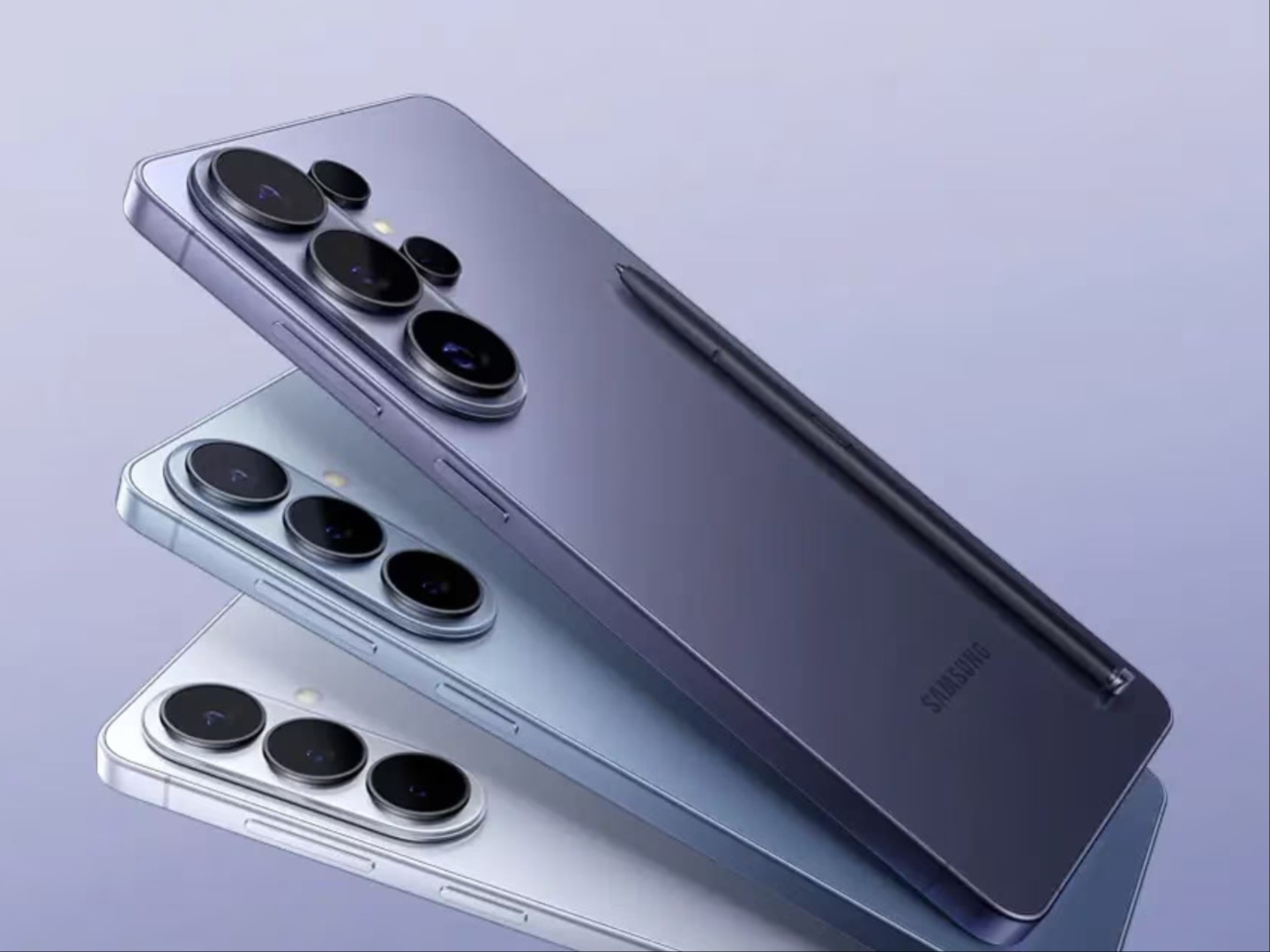
The Camera Conundrum: Why Samsung’s S27 Decision Matters More Than You Think
Let’s start with a question: When was the last time you bought a smartphone primarily because of its camera? If you’re like most people, the answer is probably “never.” And yet, here we are, dissecting Samsung’s decision to skip the variable aperture upgrade in the Galaxy S27 series like it’s the tech story of the decade. Why? Because it’s not just about a missing feature—it’s about what this says about the smartphone industry, consumer priorities, and the quiet battle for innovation supremacy.
The Variable Aperture Saga: A Feature That Wasn’t
Variable aperture—the ability to physically adjust the lens opening for better light control—isn’t exactly a new concept. Samsung itself used it in the Galaxy S9 and S10. But then, it vanished. Why bring it back now, only to drop it again? Personally, I think this is less about technical limitations and more about a strategic retreat.
What makes this particularly fascinating is the timing. Rumors suggest Apple’s iPhone 18 will include variable aperture, and Samsung initially seemed poised to follow suit. But according to ETNews, the Korean giant has backed out, citing higher manufacturing costs and bulkier camera designs. Here’s where it gets interesting: Samsung isn’t just saving money—it’s betting that consumers won’t care.
From my perspective, this is a risky gamble. Yes, most users rely on software-based camera enhancements, but variable aperture is one of those rare features that actually feels premium. It’s not just about better low-light photos; it’s about the tactile, mechanical innovation that sets a flagship apart. By skipping it, Samsung risks ceding the “innovation” narrative to Apple—a narrative it’s been fighting to reclaim for years.
The Cost of Innovation: A Double-Edged Sword
One thing that immediately stands out is Samsung’s reasoning: higher costs and thicker devices. But let’s be real—flagship phones are already expensive, and no one’s complaining about a millimeter or two of thickness. What many people don’t realize is that this decision reflects a broader trend in the industry: the shift from hardware innovation to software optimization.
If you take a step back and think about it, this isn’t just about Samsung. It’s about the entire smartphone market hitting a wall. Companies are struggling to justify $1,000+ price tags with incremental upgrades. Variable aperture is a prime example: it’s a tangible, impressive feature, but it’s also expensive to implement. Samsung’s decision to cut it feels like an admission that consumers are more interested in AI-powered photo editing than in the mechanics of the lens itself.
This raises a deeper question: Are we entering an era where hardware innovation is no longer the primary driver of smartphone sales? Personally, I think we are. Software and ecosystem lock-in—think Apple’s seamless integration or Samsung’s One UI—are becoming the real differentiators. Hardware is just the canvas.
The Apple Factor: A Rivalry That Shapes the Market
A detail that I find especially interesting is how Apple’s rumored inclusion of variable aperture in the iPhone 18 seems to have influenced Samsung’s decision-making. It’s almost as if Samsung felt pressured to respond, only to realize it wasn’t worth the effort. This dynamic isn’t new—the two companies have been locked in a game of feature one-upmanship for years.
But what this really suggests is that Apple has the upper hand in setting industry expectations. When Apple introduces a feature, it’s not just an upgrade—it’s a statement. Samsung’s decision to skip variable aperture feels like a concession, a quiet acknowledgment that it can’t—or won’t—keep up with Apple’s pace of innovation.
From my perspective, this is a missed opportunity. Samsung could have used the S27 to reclaim its reputation as a hardware pioneer. Instead, it’s playing it safe, betting that consumers will prioritize price and software over cutting-edge camera tech. Time will tell if that’s a winning strategy.
The Bigger Picture: What This Means for the Future of Smartphones
If there’s one takeaway from this saga, it’s that the smartphone industry is at a crossroads. Hardware innovation is becoming increasingly expensive and difficult to justify, while software and AI are taking center stage. Samsung’s decision to skip variable aperture is a symptom of this shift, not the cause.
What many people don’t realize is that this trend has broader implications. As companies focus more on software, we could see a future where flagship phones are defined less by their specs and more by their ecosystems. Think AI-driven features, exclusive apps, and seamless integration with other devices. Hardware will still matter, but it won’t be the star of the show.
Personally, I think this is both exciting and a little bittersweet. On one hand, software innovation opens up new possibilities for creativity and functionality. On the other, it feels like we’re losing something—the thrill of holding a device that feels truly new in your hands.
Final Thoughts: A Quiet Revolution in Progress
Samsung’s decision to skip variable aperture in the Galaxy S27 series might seem like a minor footnote in the grand scheme of things. But if you take a step back and think about it, it’s a telling moment. It’s a reflection of shifting consumer priorities, the challenges of hardware innovation, and the quiet rivalry between two tech giants.
In my opinion, this is just the beginning. As the smartphone market matures, we’re going to see more of these tough choices—features left on the cutting room floor, innovations sacrificed for cost or convenience. The question is: Will consumers notice? And more importantly, will they care?
One thing’s for sure: the smartphone wars are far from over. But the battlefield is changing, and the weapons are no longer just about specs and speeds. It’s about ecosystems, software, and the intangible value of a brand. Samsung’s S27 might not have variable aperture, but it’s still a player in this game. The real question is: What will it do next?